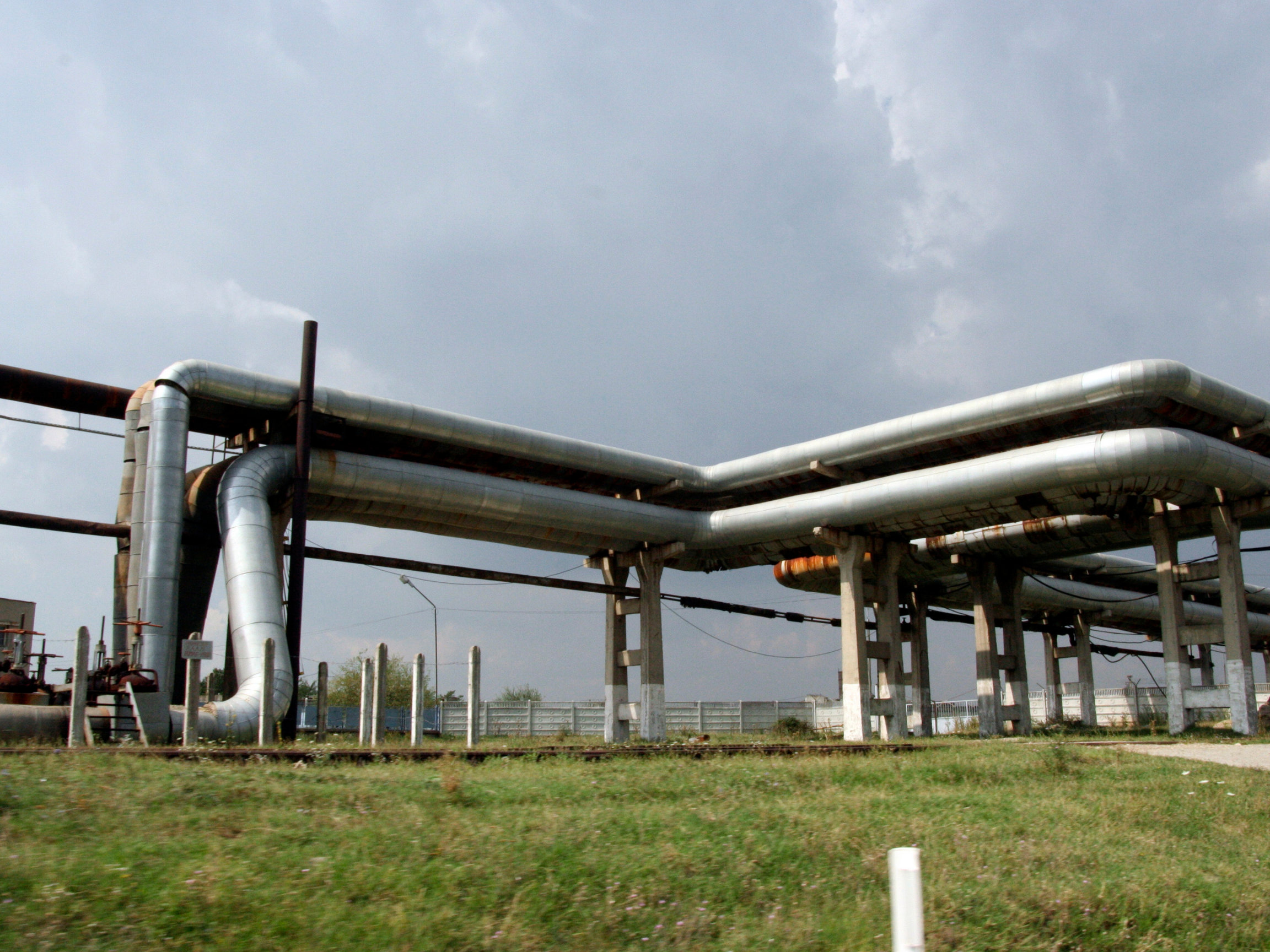
Smaller cities and neighborhoods often lack capital for small multifamily and duplex stabilization.

Stabilize housing. Strengthen neighborhoods.
Mission-aligned capital for overlooked residential communities.
GET Capital focuses on distressed and overlooked residential assets—often duplexes and small multifamily—in communities where traditional capital rarely reaches. We pair grant-sponsored participation with mission loans and long-term stewardship alongside municipalities, nonprofits, and neighbors.
About GET Capital
Housing stabilization in overlooked neighborhoods
We pair grant-sponsored participation with mission-aligned loans and long-term operations—alongside municipalities, nonprofits, and neighbors who want durable outcomes.
GET Capital is a mission-driven owner-operator focused on distressed and overlooked residential assets—especially duplexes and small apartment buildings—in communities where conventional developers rarely price patient work. We are not positioning ourselves as a luxury ground-up builder or merchant of single-family product.
Grant-sponsored participation is how we describe structures where public or philanthropic dollars can help acquire, rehabilitate, or operate housing within funder rules and layered approvals—complemented, when appropriate, by low-interest mission loans from CDFIs and housing finance partners.

Where we focus
Overlooked residential assets—and the partners who steward them
Many communities hold duplexes and small apartment buildings that sit stressed, under-maintained, or stuck in tax or title complexity. Those properties matter because families live in them, and because one stabilized block supports the next.
GET Capital concentrates on this neighborhood scale—working with municipalities, housing nonprofits, and funding partners who want housing stability rather than a rush to flip.
Municipal staff and nonprofits see distressed inventory but need an operator that can pair grants with patient debt.
Vacant or tax-distressed housing erodes block stability long before any glossy redevelopment arrives.
Preservation-focused work can strengthen conditions residents feel every day—not just headline sales.

Partner pathfinder
Who are you, and what should we prepare for?
Four quick choices — same information we would ask on a first call — so the contact form opens with the right track.
I represent…
Our strategy
Neighborhood-scale work with public-purpose partners
- 01
Acquire
We pursue distressed or overlooked residential assets—often duplexes and small multifamily buildings—where municipal, nonprofit, or mission capital can partner on a credible stabilization plan.
- 02
Preserve & improve
Work prioritizes code compliance, durability, and housing quality that neighbors can count on—not cosmetic finishes aimed at rapid resale.
- 03
Stabilize
We focus on reliable occupancy, tenant support where programs allow, and operations that reinforce neighborhood stability over the medium and long term.
- 04
Steward & hold
As a long-term owner-operator, our default posture is stewardship: patient capital, ongoing maintenance, and alignment with grant and lender expectations—not merchant-builder exits.
Asset focus
Residential inventory that fits grant and mission capital

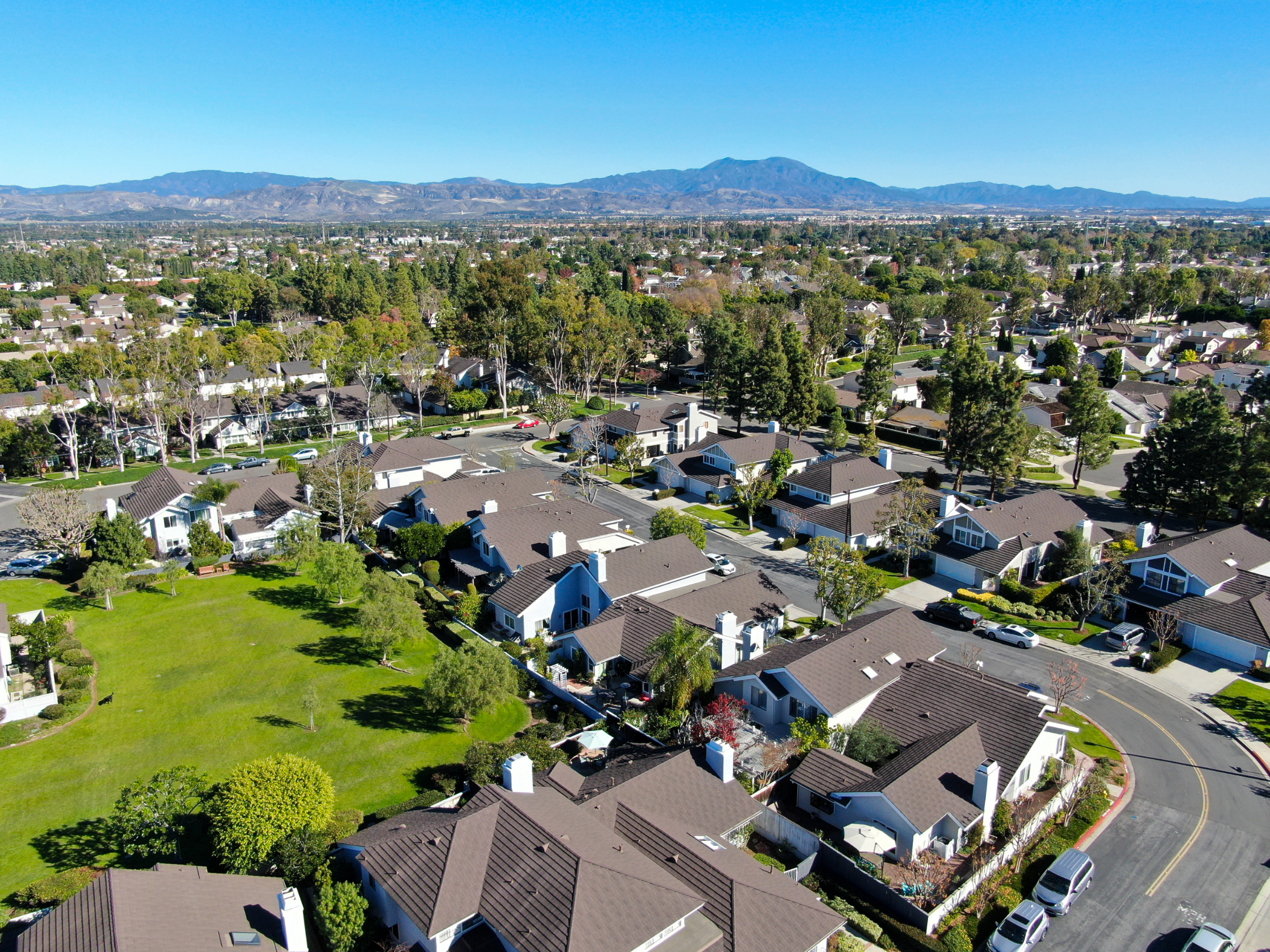
Tax-distressed & lien situations
Residential properties where unpaid taxes, liens, or related distress may open a preservation pathway—if legal diligence and partner goals align.
Duplexes & two-family homes
Small-scale rentals that shape block stability and are often missing from institutional pipelines.
Small apartment buildings
Low-rise multifamily where mission capital can support renovation and long-term operations—not high-rise luxury marketing.
Vacant or underused lots (housing context)
Infills or side lots that complete a neighborhood housing strategy when programs and partners support responsible density.
Mixed-use with housing above
Walkable small-scale combinations where residential stability—not retail speculation—is the core thesis.
Education
Terms partners use in housing work
Plain-language definitions for community stakeholders, staff, and mission capital partners—not securities marketing.
Showing 8 of 8 terms
Grant-sponsored participation
funding
A project structure where public or philanthropic grant funds help acquire, rehabilitate, or operate housing—subject to funder rules, match requirements, reporting, and eligibility. It is not a guarantee of funding.
Mission-aligned loan
funding
Debt from a community development financial institution (CDFI), housing finance agency, or similar lender that emphasizes affordability, stability, and policy goals alongside prudent repayment—not maximum short-term yield.
Tax Lien
property
A legal claim connected to unpaid property taxes. These situations can sometimes create pathways to stabilize housing, but they require careful research and legal review.
Tax-Distressed Property
property
Residential property facing financial pressure from unpaid taxes, liens, or related obligations—often overlapping with neighborhoods that need patient capital.
Below-Market Acquisition
property
Acquiring or controlling an asset below what a fully stabilized, retail market might imply—so long-term preservation math can work alongside grants and mission debt.
Underwriting
process
The structured review of costs, rents (where applicable), physical needs, program fit, timeline, and risks before committing capital or filing applications.
Stabilization
process
Housing reaches a more dependable condition and occupancy pattern—supporting resident stability and neighborhood continuity, not a marketing slogan for a flip.
Owner-operator
process
An organization that intends to own and manage property over time—maintaining buildings and relationships—rather than selling inventory on a construction cycle.
Mission & capital
Built for grantors, cities, and mission lenders—not quick flips
GET Capital aligns projects where grant-sponsored participation and low-interest mission loans can stabilize small multifamily and duplex housing in overlooked markets. We measure progress in safer, more stable housing and stronger neighborhood conditions—not sales velocity.
Grant-sponsored participation means public or philanthropic funds can help acquire, rehabilitate, or operate housing in ways private capital alone often will not—always subject to funder rules, eligibility, and layered approvals.
- Grant-sponsored participation structured for housing preservation
- Collaboration with municipalities, nonprofits, and neighbors
- Mission-aligned debt alongside public and philanthropic sources
- Transparent reporting to partners and funding stakeholders
- Owner-operator mindset — long-term stewardship, not merchant building
Every program is different. Nothing on this site promises funding, returns, or participation. Eligibility, feasibility, and partner fit are determined through diligence and governing agreements.
Risk & discipline
Built on stewardship, not speculation
Community-purpose housing still involves risk. GET Capital's approach is to pair disciplined acquisition with transparent underwriting, program-eligible improvements, and governance that matches what grantors, cities, and mission lenders require.
We focus on buying appropriately, documenting outcomes that matter to residents and neighbors, and improving properties in ways that last—rather than leaning on market timing alone.
- Patient underwriting on small multifamily and duplex assets
- Conservative scopes aligned with grant and lender requirements
- Real property collateral alongside program documentation
- Redevelopment plans co-developed with community stakeholders
- Reporting tuned for public and mission partners—not hype decks
- Long-term operating discipline over merchandising timelines
How projects are capitalized
Grants, mission loans, and stewardship—not speculative timing
GET Capital underwrites for housing stability and neighborhood conditions. The capital stack blends competitively where programs fit; it is not a one-size template and is always subject to partner diligence.
Grant-sponsored participation
We structure opportunities so public and philanthropic programs can play a direct role in acquisition, rehab, or operations—where rules, match requirements, and community priorities allow.
Mission-aligned capital
CDFIs, housing finance agencies, and mission lenders provide patient, low-cost debt that complements grants—not high-cost bridge math chasing a fast resale.
Long-term ownership
We operate as a long-term owner-operator focused on preservation and stability. Exits, if any, are weighed against tenant impact and neighborhood continuity—not a merchandising calendar.
Interactive capital stack (schematic)
Relative ordering for conversation — not project-specific sizing. Click each band to read how the layer functions in preservation deals.
Grants & public sources
Public and philanthropic grants can lower upfront cash need, cover hard rehabilitation gaps, or support operations—subject to eligibility, match, environmental review, and funder reporting. Nothing here promises an award.
Illustrative relative roles only
Bar heights show conceptual weight in many preservation stacks—not dollars, percentages, or a commitment to structure.
Public / grants
Mission debt
Sponsor layer
Descriptions are general in nature. Specific structures depend on asset, jurisdiction, available programs, underwriting, and binding agreements with funding partners.
Community
Impact shows up in housing stability and neighborhood conditions
GET Capital believes housing quality and neighborhood trust move together. When distressed small multifamily assets are brought back into responsible operation—with residents, nonprofits, and local government in the loop—blocks can stabilize in ways a spreadsheet of "velocity" never captures.
We report to mission partners on the conditions that grantors and cities care about: habitability, continuity for households where programs allow, and durable maintenance plans—not ribbon-cutting theater.
- Safer, more dependable housing conditions
- Fewer long-vacant units on priority blocks
- Coordination with nonprofit and city partners
- Neighborhood stability valued over sales velocity
- Long-term stewardship metrics partners can review
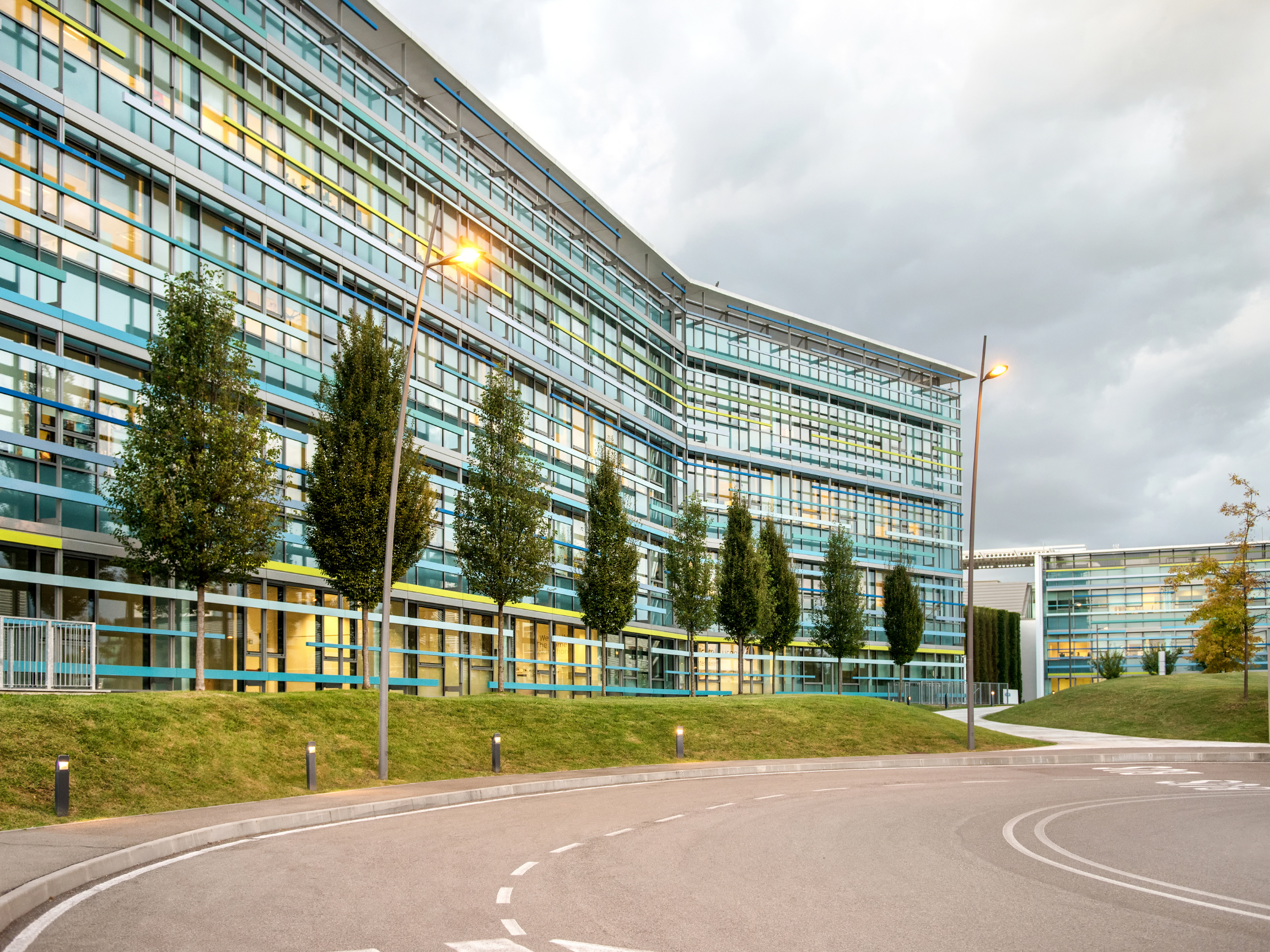
Selected Work
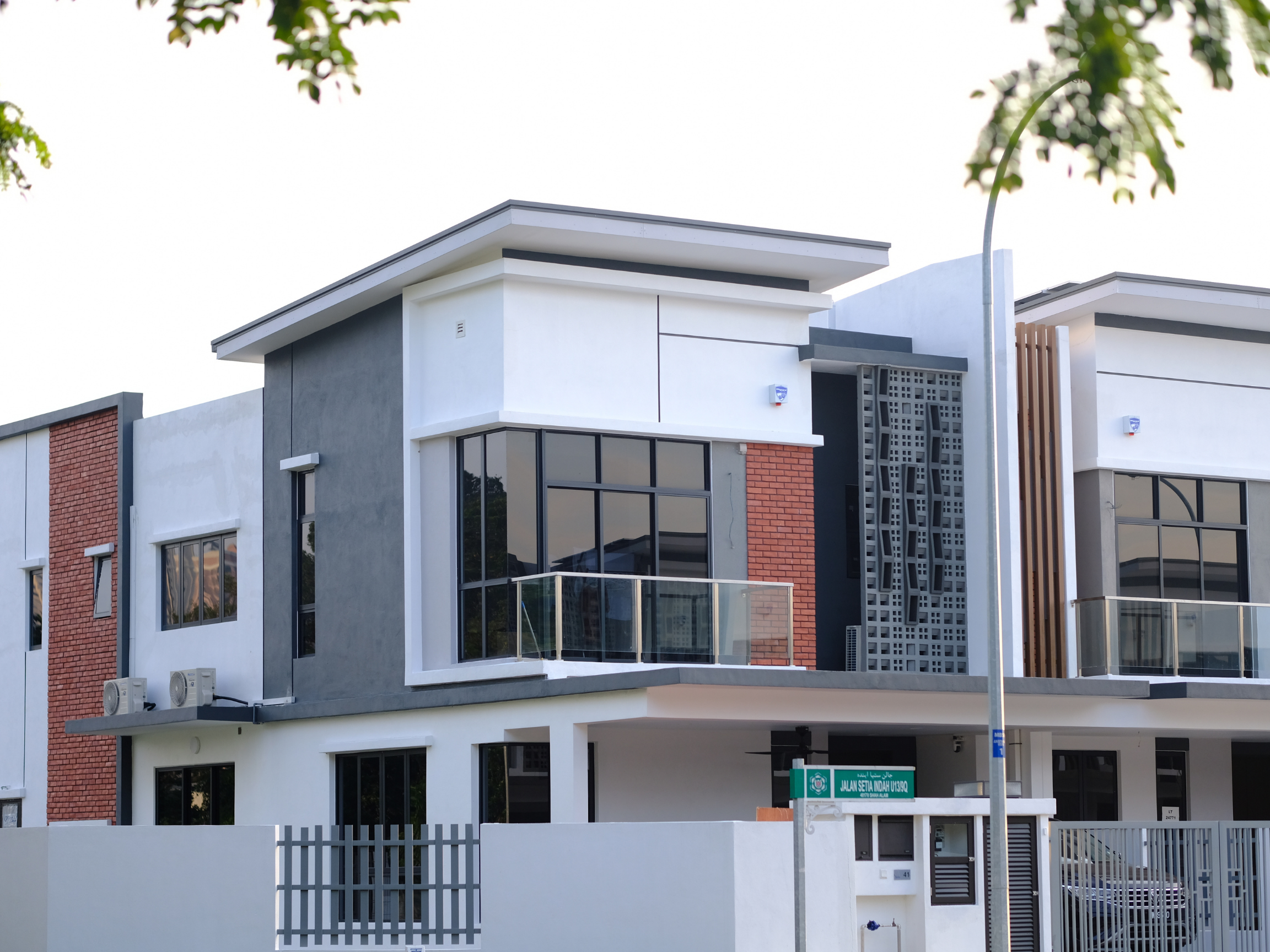
Examples of Redevelopment in Practice
Representative projects that illustrate how we approach repositioning, stabilization, and long-term planning.
Work with GET Capital
Cities, nonprofits, funders, and property stewards: tell us what you are trying to stabilize. We respond personally—informational only, no obligation.